
Freeze-Dried Instant Tremella Soup Case Study
This freeze-dried soup case study shows how a Chinese food processor used an SDG700 20㎡ freeze dryer to process approximately 600 kg of instant tremella soup per batch and complete drying in 20 hours.
Quick Facts
This instant soup project used real production data instead of general marketing claims. The data helps ready-meal manufacturers evaluate batch capacity, drying time, vacuum range, cold trap capacity, final moisture, formulation stability, and energy consumption.

| Location | China |
|---|---|
| Year | 2017 |
| Product | Freeze-dried soup |
| Product Type | Instant tremella soup |
| Equipment | SDG700 freeze dryer |
| Drying Area | 20㎡ |
| Loading Density | 30 kg/㎡ |
| Batch Loading | Approx. 600 kg/batch |
| Time to Dry | 20 hours |
| Final Moisture Content | 1.94% |
| Vacuum Range | 26–97 Pa |
| Condenser Capacity | 2 kg water/㎡/hour |
| Total Condenser Capacity | Approx. 40 kg water/hour |
| Energy Consumption | 2.3 kWh/kg raw material |
| Estimated Batch Electricity Use | Approx. 1,380 kWh |
Freeze-Dried Instant Tremella Soup Production
In 2017, a food processing customer in China used an SDG700 20㎡ commercial freeze dryer to produce freeze-dried instant tremella soup blocks for ready-to-eat food applications.
Instant tremella soup is different from ordinary sliced fruit or vegetable drying. Its formulation, liquid-to-solid ratio, boiling time, block hardness, crispness, and rehydration performance all affect final product quality.
For this project, the material was loaded at 30 kg per square meter. With a total drying area of 20㎡, the batch loading capacity reached approximately 600 kg per batch.
The drying cycle was completed in approximately 20 hours, and the final moisture content reached 1.94%. The project used approximately 2.3 kWh electricity per kg of raw material.
This calculation helps buyers understand real production capacity. For soup blocks and ready meals, drying area alone is not enough; formulation, loading density, drying time, final moisture, and rehydration performance must be evaluated together.




The Challenge: Balancing Soup Block Strength, Crispness, and Rehydration
Freeze-dried soup blocks must be strong enough for packaging and transport, but they also need good rehydration performance after hot water is added.
Formula Stability
The liquid-to-solid ratio and boiling time affected soup block hardness, crispness, and rehydration performance.
Large Batch Load
The system processed approximately 600 kg of instant tremella soup per batch.
Longer Drying Cycle
The soup block structure required a 20-hour drying cycle to reach the target final moisture.
Vacuum Stability
The drying process operated within a 26–97 Pa vacuum range.
Cold Trap Capacity
The total condenser capacity was designed at approximately 40 kg water/hour.
Energy Control
The project used approximately 2.3 kWh electricity per kg of raw material.
Formula Optimization for Instant Tremella Soup Blocks
During customer testing, the liquid-to-solid ratio and boiling time were adjusted to balance product strength, crispness, packaging convenience, and rehydration performance.
During the customer’s product testing process, the liquid-to-solid ratio and boiling time had a clear influence on the hardness and crispness of the instant tremella soup blocks.
These formulation variables also affected the product’s ability to rehydrate after hot water was added. Therefore, the project was not only an equipment selection task; it also required process and formula adjustment.
After comparing packaging convenience, block strength, crispness, and rehydration results, a new formula was customized for the customer’s production requirement.
This process helped the customer produce a freeze-dried soup product that was easier to transport, package, and restore before eating.
SDG700 20㎡ Freeze Dryer
The SDG700 freeze dryer was selected to support instant tremella soup production with stable vacuum control, suitable water vapor capture capacity, and predictable batch performance.
- 20㎡ drying area for ready meal and instant soup production
- Instant tremella soup blocks with optimized formulation
- 30 kg/㎡ loading density and approx. 600 kg per batch
- 26–97 Pa vacuum range during drying
- 2 kg water/㎡/hour condenser capture capacity
- 20-hour drying cycle with 1.94% final moisture
- 2.3 kWh electricity per kg raw material
Real Drying Data for Freeze-Dried Instant Tremella Soup
This section gives buyers practical reference data. It shows how loading density, vacuum control, cold trap capacity, final moisture, formulation, rehydration performance, and energy consumption affect actual production performance.
In this project, the SDG700 processed about 600 kg of instant tremella soup per batch. The drying cycle was completed in 20 hours, and the final moisture content reached 1.94%.
| Product | Instant tremella soup |
|---|---|
| Fresh Material Loading | 30 kg/㎡ |
| Total Batch Load | Approx. 600 kg/batch |
| Vacuum Range | 26–97 Pa |
| Condenser Capacity | 2 kg water/㎡/hour |
| Total Condenser Capacity | Approx. 40 kg water/hour |
| Final Moisture | 1.94% |
| Energy Consumption | 2.3 kWh/kg raw material |
| Estimated Batch Electricity Use | Approx. 1,380 kWh |
| Drying Time | 20 hours |
Production Result: 20-Hour Drying Cycle
The SDG700 20㎡ freeze dryer completed the instant tremella soup drying process in approximately 20 hours. The final moisture content reached 1.94%.
Why These Data Points Matter
For ready-meal and instant soup processors, real production data is more useful than general machine descriptions. These parameters help estimate output, freeze dryer cost, and equipment suitability.
1. Formula Affects Drying
The liquid-to-solid ratio and boiling time affected hardness, crispness, and rehydration. Therefore, product formulation had to be tested together with drying parameters.
2. Condenser Capacity
The total condenser capacity was approximately 40 kg water/hour. For a 20㎡ freeze dryer, cold trap capacity affects vacuum stability, drying speed, and batch repeatability.
3. Energy Consumption
The process used approximately 2.3 kWh electricity per kg of raw material. Based on 600 kg per batch, the estimated electricity use was about 1,380 kWh per batch.
Project Images
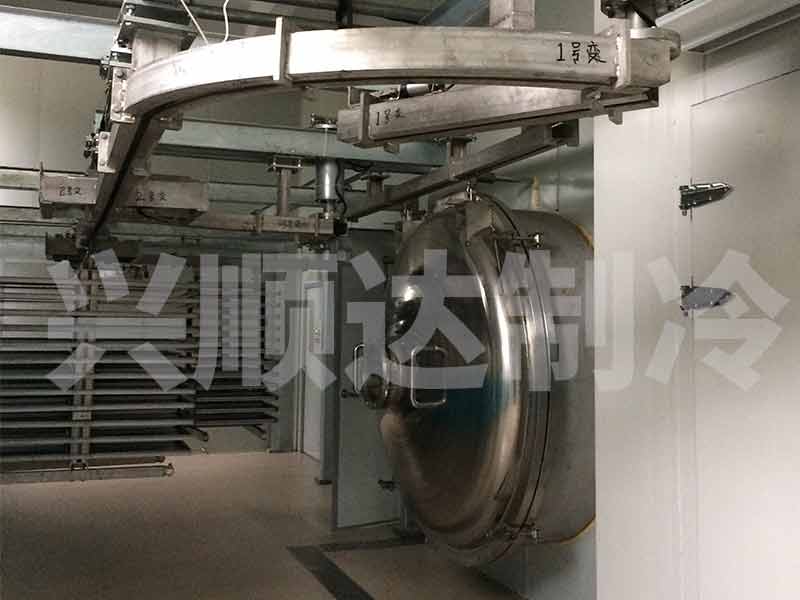
These project images show the instant tremella soup production process and the SDG700 freeze dryer used for this ready-meal project.

What Ready-Meal Manufacturers Can Learn
This freeze-dried instant tremella soup project shows that ready-meal freeze-drying should be evaluated by real drying performance, formulation, rehydration quality, and operating cost.
Formula Matters
Liquid-to-solid ratio and boiling time can affect block strength, crispness, and rehydration performance.
Ask for Real Drying Data
Batch load, final moisture, vacuum range, condenser capacity, and energy use provide more value than general supplier claims.
Check Rehydration
For instant soup products, final quality depends on how well the product restores after hot water is added.
Match Machine Size to Product
Soup blocks and high-load ready meals may need longer drying cycles than sliced fruits or vegetables.
Continue Reading
These internal links guide visitors from the case study to product selection, cost analysis, larger equipment comparison, and manufacturer evaluation.
Planning to Produce Freeze-Dried Instant Soup?
Please describe your requirements in as much detail as possible. Our team can help you estimate the right freeze dryer configuration and provide the following materials: