
Commercial Freeze Dryer for Food Production
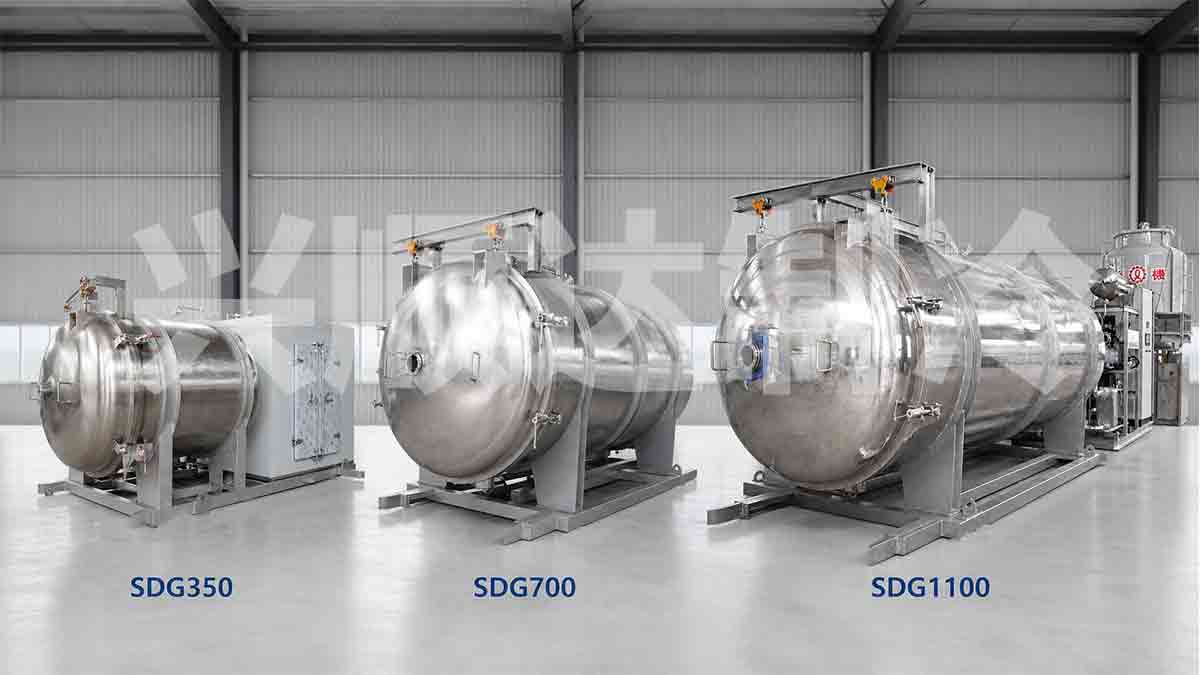
Our commercial freeze dry machine series includes SDG350, SDG700 and SDG1100 models for food manufacturers moving from SDG60 / SDG90 pilot testing to stable commercial food production.
Compare wet material capacity, drying time, power, site space, energy use and shipping data in the model specification table, then review the commercial project documents before requesting a commercial freeze dryer quotation.
340–450 kg
For smaller commercial food production projects.
680–900 kg
For medium commercial output and stable batch sales.
1.02–1.36 tons
For larger commercial production before steam-supported industrial scale.
Need Steam-Supported Industrial Production?
Review industrial freeze dryer models for 1.2–8 tons wet material per 24h, steam-supported operation, larger site space, and factory-scale installation planning.
When Should You Choose a Commercial Freeze Dryer?
A commercial freeze dryer is suitable when your product formula, slice thickness, loading density and drying result have already been tested, and you now need stable daily production instead of small pilot batches.
- Freeze-dried fruit and vegetable manufacturers
- Freeze-dried pet food producers
- Seafood, meat and prepared food processors
- Food companies moving from SDG60 / SDG90 pilot testing to commercial sales
Positioned Between Pilot Testing and Industrial Production
This page is designed for buyers who need 340 kg–1.36 tons of wet material handling capacity per 24 hours.
- For 60–120 kg / 24h testing, choose a pilot lab freeze dryer.
- For 340 kg–1.36 tons / 24h, choose a commercial freeze dryer.
- For 1.2–8 tons / 24h with steam-supported factory planning, review industrial freeze dryers.
Commercial Freeze Dry Machine vs Small Freeze Dryer
A commercial freeze dry machine is not simply a larger home freeze dryer. For food production, buyers should compare wet material capacity, water removal load, condenser performance, vacuum stability, energy consumption and operator support.
Why Small Freeze Dryers Are Usually Not Enough for Production
Small freeze dryers may support product testing, recipe development or early samples. However, commercial food production needs repeatable batch results, stronger refrigeration, larger condenser capacity and better loading efficiency.
How to Judge a Commercial Freeze Dry Machine
Buyers should review the real daily wet material capacity, drying time, final moisture target, power supply, site space, defrosting method and after-sales training before choosing a machine.
Choose Your Commercial Freeze Dryer by Daily Wet Material Capacity
Start with your daily wet material load. SDG350 is suitable for smaller commercial production, SDG700 is suitable for medium commercial output, and SDG1100 is suitable for higher commercial production before moving to steam-supported industrial scale.

SDG350 Commercial Freeze Dryer
For commercial food producers who need stable daily production but do not yet need a large factory-scale freeze-drying line.

SDG700 Commercial Freeze Dryer
For food manufacturers who need higher daily output and more stable batch production for commercial sales.
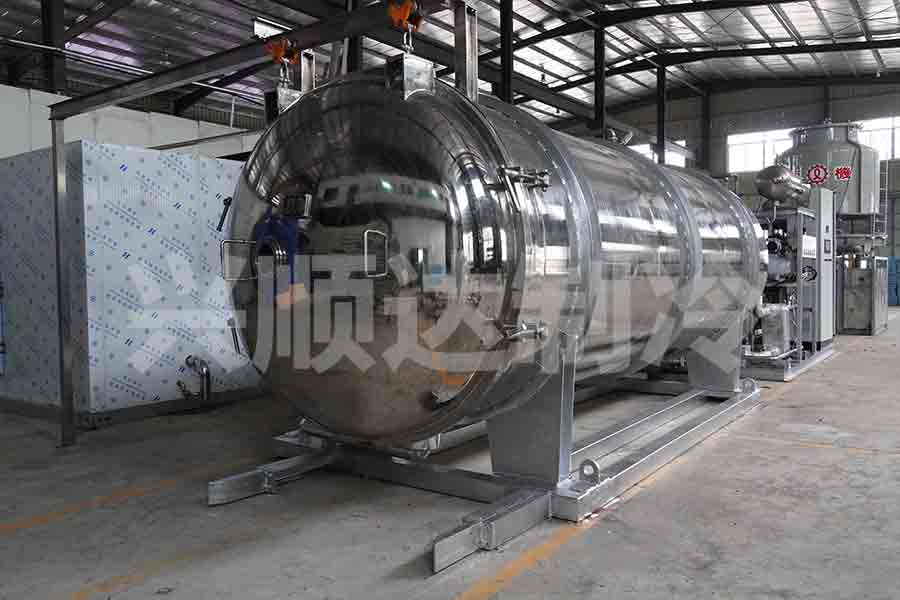
SDG1100 Commercial Freeze Dryer
For larger commercial food production projects that need more than one ton of wet material handling capacity per 24 hours.
SDG350 vs SDG700 vs SDG1100 Specification Comparison
The values below refer to wet fresh material before freeze-drying, not final dried product weight.
| Specification | SDG350 | SDG700 | SDG1100 |
|---|---|---|---|
| Fresh Material Capacity / 24h | 340–450 kg wet material | 680–900 kg wet material | 1.02–1.36 tons wet material |
| Drying Time | 8–15 hours | 8–15 hours | 8–15 hours |
| Recommended Material Thickness | <20 mm | <20 mm | <20 mm |
| Final Moisture | <3% | <3% | <3% |
| Vacuum-Down Speed | <18 min to 133 Pa | <18 min to 133 Pa | <18 min to 133 Pa |
| Average Energy Consumption | 1.7 kWh/kg wet material | 1.7 kWh/kg wet material | 1.7 kWh/kg wet material |
| Heating Method | Radiation heating | Radiation heating | Radiation heating |
| Heating Medium | Water-based heat transfer medium | Water-based heat transfer medium | Water-based heat transfer medium |
| Chamber, Condenser & Frame Material | Stainless steel | Stainless steel | Stainless steel |
| Condenser Capture Capacity | ≥2 kg H2O/m²/h | ≥2 kg H2O/m²/h | ≥2 kg H2O/m²/h |
| Control System | Touchscreen computer-based HMI | Touchscreen computer-based HMI | Touchscreen computer-based HMI |
| Remote Control | Mobile remote control and monitoring | Mobile remote control and monitoring | Mobile remote control and monitoring |
| Condenser Monitoring | Temperature and pressure monitoring with records | Temperature and pressure monitoring with records | Temperature and pressure monitoring with records |
| Defrosting Mode | Hot water defrosting | Hot water defrosting | Hot water defrosting |
| Water Consumption / Defrost | 1.2 tons/time | 1.5 tons/time | 1.8 tons/time |
| Machine Weight | 5 tons | 8.5 tons | 9.5 tons |
| Site Space | 20–30 m² | 60–100 m² | 60–100 m² |
| Height Requirement | >3.5 m | >3.5 m | >3.5 m |
| Power Supply | 3P 380V / 50Hz | 3P 380V / 50Hz | 3P 380V / 50Hz |
| Total Power | 58.16 kW | 111.6 kW | 155.9 kW |
| Shipping | 1 × 40HQ | 1 × 40HQ + 1 × 20GP | 1 × 40HQ + 1 × 20GP |
Which Commercial Freeze Dryer Model Should You Choose?
Choose by wet material load first, then confirm site space, power supply, shipping condition and expected daily production plan.
Choose SDG350 If
- Your daily wet material load is 340–450 kg.
- You are moving from pilot testing to small commercial production.
- Your available site space is around 20–30 m².
- You want lower installed power and simpler project preparation.
Choose SDG700 If
- Your daily wet material load is 680–900 kg.
- You need medium commercial production capacity.
- Your factory has 60–100 m² available installation space.
- You want a stronger production system before industrial scale.
Choose SDG1100 If
- Your daily wet material load is 1.02–1.36 tons.
- You need larger commercial production capacity.
- You are preparing for stable batch sales.
- You want the highest output within this commercial category.
Same Commercial Drying Design, Different Wet Material Capacity
SDG350, SDG700 and SDG1100 share the same commercial freeze-drying design logic. The main differences are daily wet material capacity, site space, total power and shipping requirement.
8–15 h Drying Time
Typical drying time for many food products under suitable loading and process conditions.
<3% Final Moisture
Designed for commercial freeze-dried food production with controlled final moisture.
<18 min to 133 Pa
Fast vacuum-down speed helps support stable freeze-drying preparation.
≥2 kg H₂O/m²/h
High condenser capture capacity supports stable water vapor capture.
Radiation Heating
Radiation heating helps transfer heat more evenly to food materials.
Touchscreen HMI
Computer-based HMI supports clearer operation and process setting.
Mobile Monitoring
Mobile remote control and monitoring supports easier project management.
Stainless Steel Build
Stainless steel chamber, condenser and frame improve corrosion resistance.
Engineering Features for Commercial Food Freeze-Drying
These design details support stable drying quality, process monitoring and long-term commercial production.

Stainless Steel Chamber and Frame
Stainless steel construction improves corrosion resistance during freezing, vapor capture, defrosting and repeated food production.

High-Capacity Condenser / Vapor Trap
Condenser capture capacity ≥2 kg H₂O/m²/h supports stable vapor capture during commercial freeze-drying.

Touchscreen HMI and Process Control
Touchscreen computer-based HMI supports process setting, production control and clearer operation for factory teams.

Real-Time Monitoring and Remote Control
The system supports condenser temperature and pressure monitoring with records, plus mobile remote control and monitoring.
Average Energy Consumption for Commercial Freeze-Drying
The average energy consumption reference is about 1.7 kWh per kg of wet material. Actual energy use may vary depending on product moisture content, slice thickness, loading density, freezing condition, drying profile and target final moisture.
For accurate project planning, buyers should estimate energy consumption based on real product testing data, not only tray area or equipment size.
Send Product Details for Energy Estimate
Confirm Space, Power, Water and Shipping Before Delivery
Before delivery, buyers should confirm factory space, floor load, power supply, water supply, drainage, unloading equipment and installation access.
- SDG35020–30 m², height >3.5 m, 1 × 40HQ
- SDG70060–100 m², height >3.5 m, 1 × 40HQ + 1 × 20GP
- SDG110060–100 m², height >3.5 m, 1 × 40HQ + 1 × 20GP
- Power Supply3P 380V / 50Hz
- Defrost Water1.2 / 1.5 / 1.8 tons per time
From Product Testing to Commercial Freeze-Drying Production
Before choosing SDG350, SDG700 or SDG1100, buyers should confirm product name, slice thickness, loading density, target final moisture, expected daily output and available site space.
A commercial freeze dryer should be selected based on real product data. If the project needs steam-supported factory-scale output, review the industrial freeze dryer category.
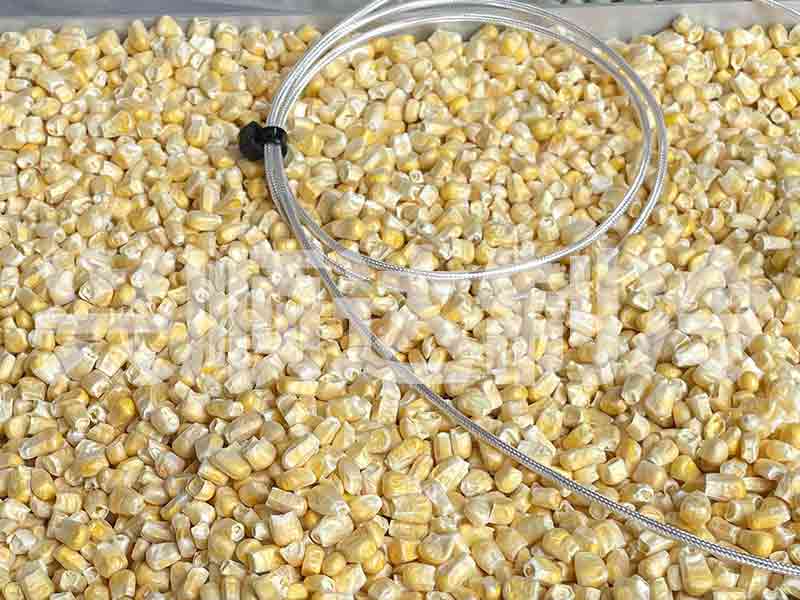
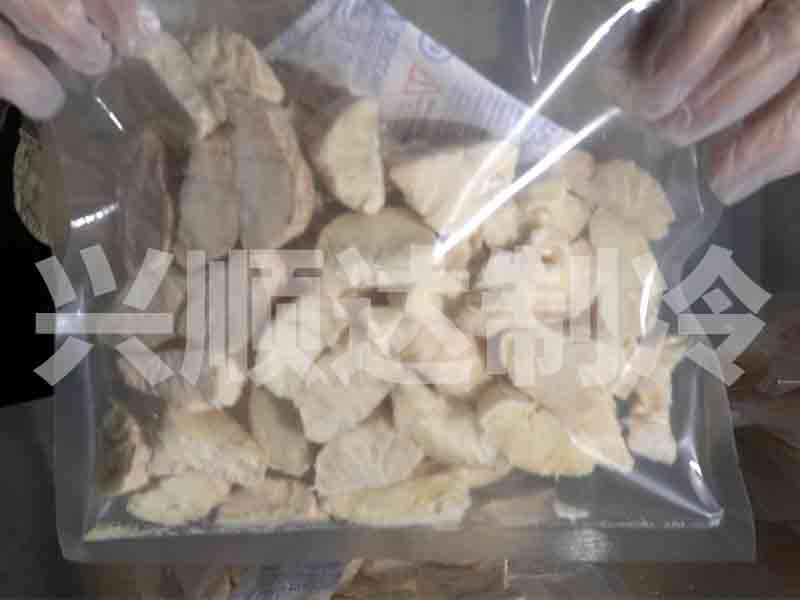
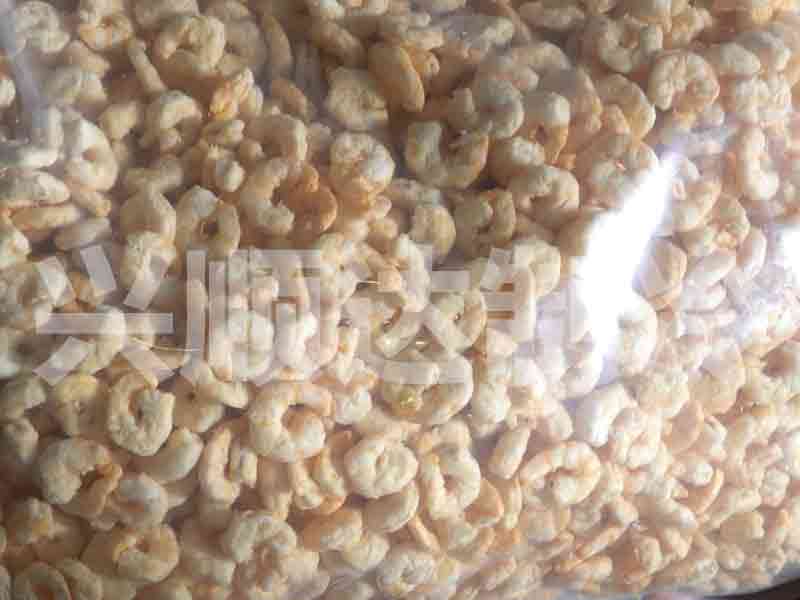
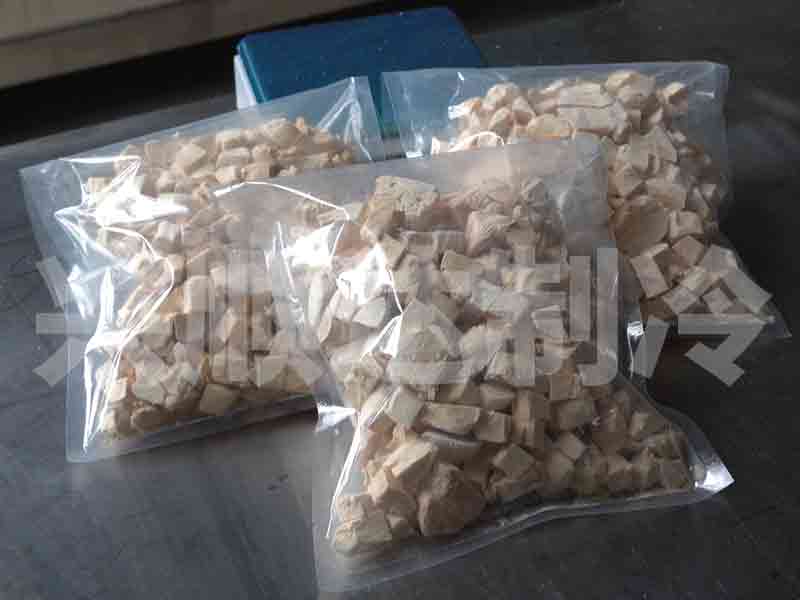
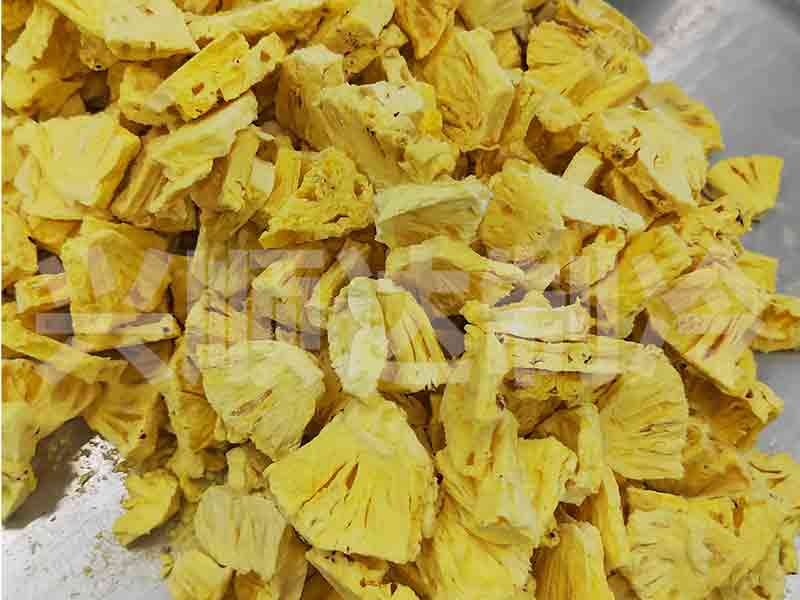
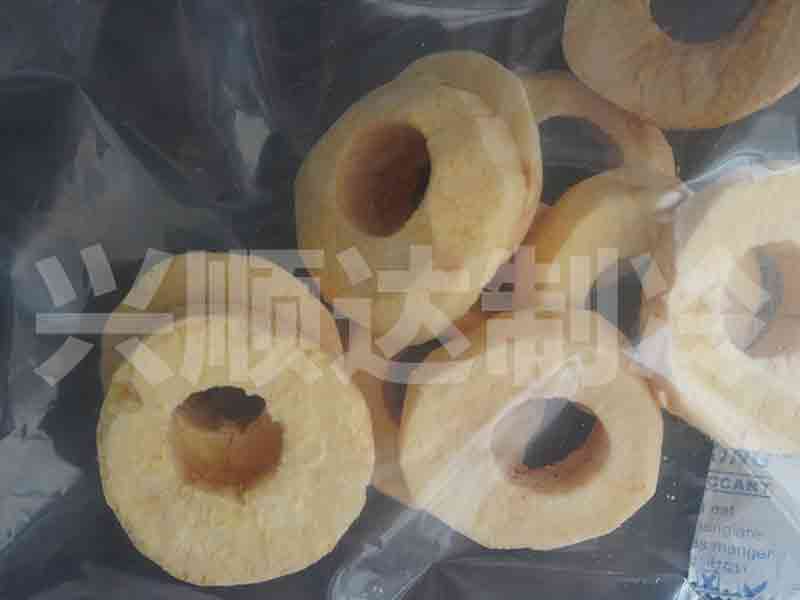
Send Product Testing DetailsFood Products Commonly Processed with Commercial Freeze Dryers
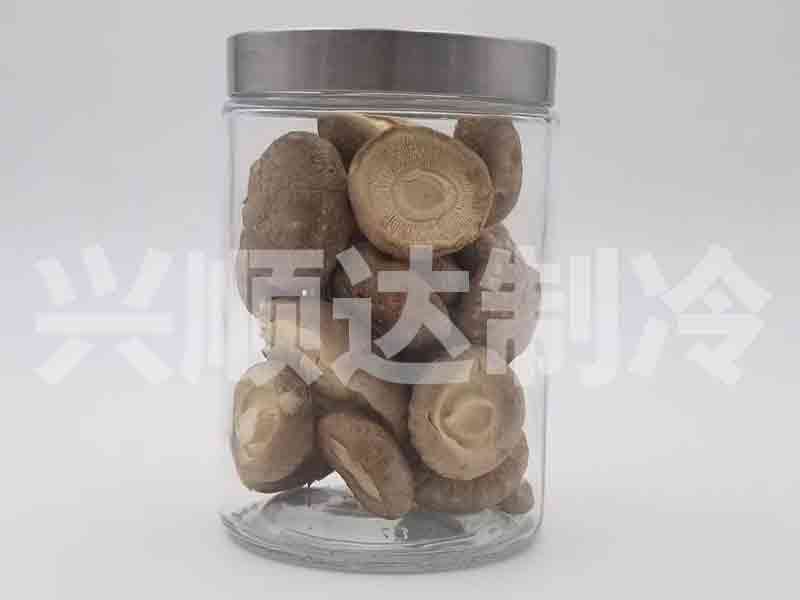
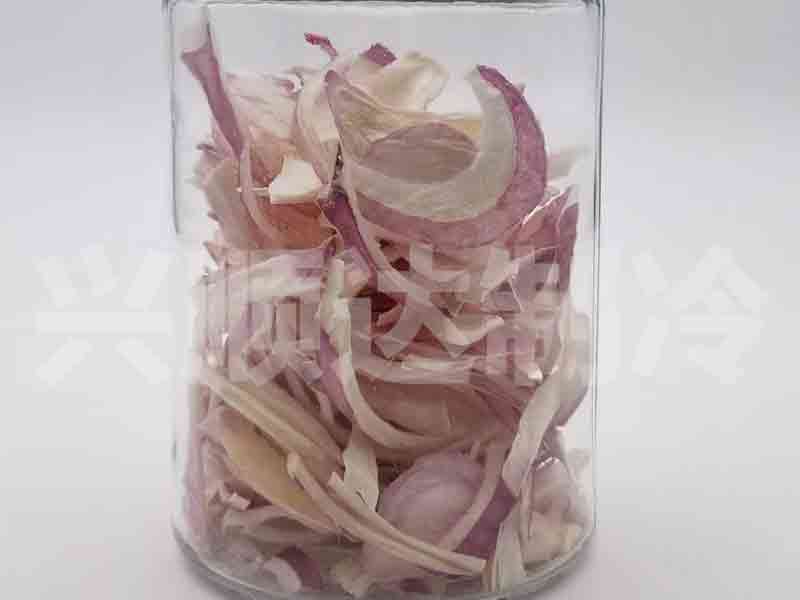
Final model selection depends on product moisture content, slice thickness, tray loading density, drying profile and target daily wet material output.
Download Commercial Freeze Dryer Project Documents
Contact us to get commercial freeze dryer quotation support, manual PDF, factory layout plan, and freeze-dried food photos and videos.




Plan Your Commercial Freeze-Drying Project
These resources help buyers move from model selection to cost evaluation, supplier comparison, and larger commercial or industrial production planning.
Pilot Lab Freeze Dryer
For buyers still testing products with SDG60 / SDG90 before commercial production.
View pilot modelsIndustrial Freeze Dryer
For 1.2–8 tons wet material per 24 hours with steam-supported factory-scale production.
View industrial modelsAll Product Types
Compare pilot lab, commercial and industrial freeze dryer categories.
View productsCustomer Case Studies
Review food freeze-drying projects with real products and production details.
View casesFreeze Dryer Cost Analysis
Estimate drying time, energy use and operating cost before investment.
Read cost guideSupplier Evaluation Guide
Evaluate condenser / vapor trap design, vacuum system, refrigeration and manufacturing capability.
Read supplier guideFAQ About Commercial Freeze Dryers and Commercial Freeze Dry Machines
Short answers for buyers choosing a commercial freeze dry machine between SDG350, SDG700 and SDG1100.
What is a commercial freeze dry machine?
A commercial freeze dry machine is a freeze-drying system used for business food production. It is designed for higher wet material capacity, stable vacuum control, stronger condenser performance and repeatable drying results.
How do I choose a commercial freeze dry machine?
Choose a commercial freeze dry machine based on product type, wet material weight per batch, moisture content, slice thickness, target final moisture, drying time, energy conditions and available factory space.
What is the difference between SDG350, SDG700 and SDG1100?
SDG350 handles 340–450 kg wet material per 24 hours, SDG700 handles 680–900 kg wet material per 24 hours, and SDG1100 handles 1.02–1.36 tons wet material per 24 hours. The main differences are capacity, site space, power, weight and shipping requirement.
Does the capacity mean wet material or dried product?
It means wet fresh material before freeze-drying. Final dried product weight depends on the moisture content of the raw material.
How long does commercial freeze-drying take?
Typical drying time is 8–15 hours. Actual drying time depends on product type, moisture content, slice thickness, loading density and target final moisture.
What final moisture can these commercial freeze dryers reach?
The target final moisture is <3%, depending on product type and drying process settings.
What vacuum level can these models reach?
SDG350, SDG700 and SDG1100 can reach 133 Pa in less than 18 minutes.
How much energy does a commercial freeze dryer use?
The average reference energy consumption is about 1.7 kWh per kg of wet material. Actual consumption depends on the product and process conditions.
What site space is required?
SDG350 requires about 20–30 m². SDG700 and SDG1100 usually require about 60–100 m². The site height should be greater than 3.5 m.
Can these machines be remotely monitored?
Yes. The system supports touchscreen computer-based HMI, real-time condenser temperature and pressure monitoring with records, and mobile remote control and monitoring.