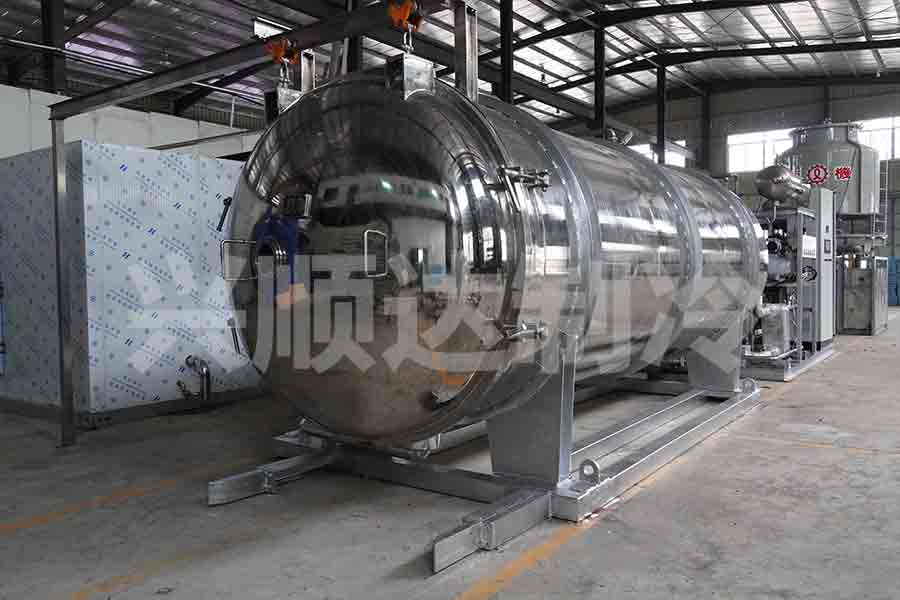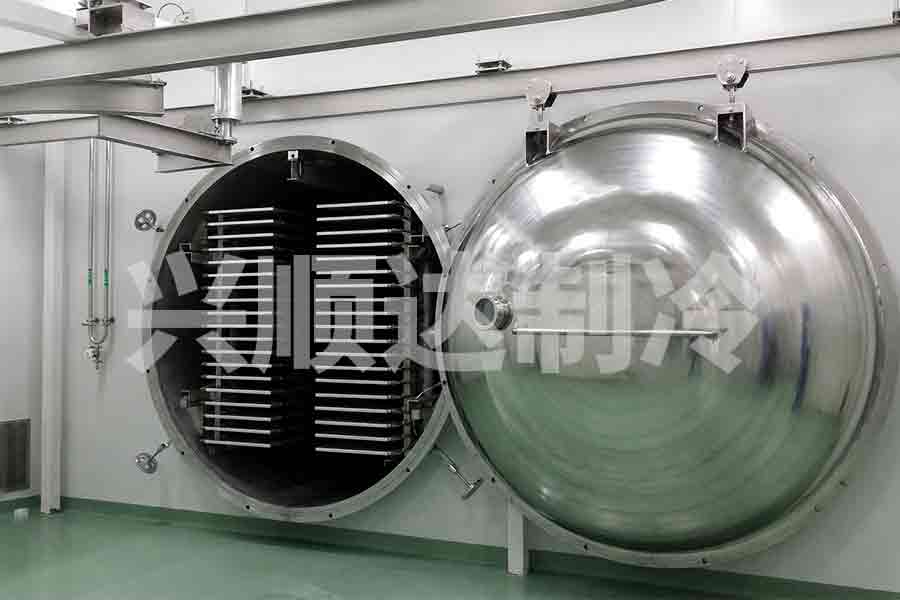
Pilot Lab Freeze Dryer
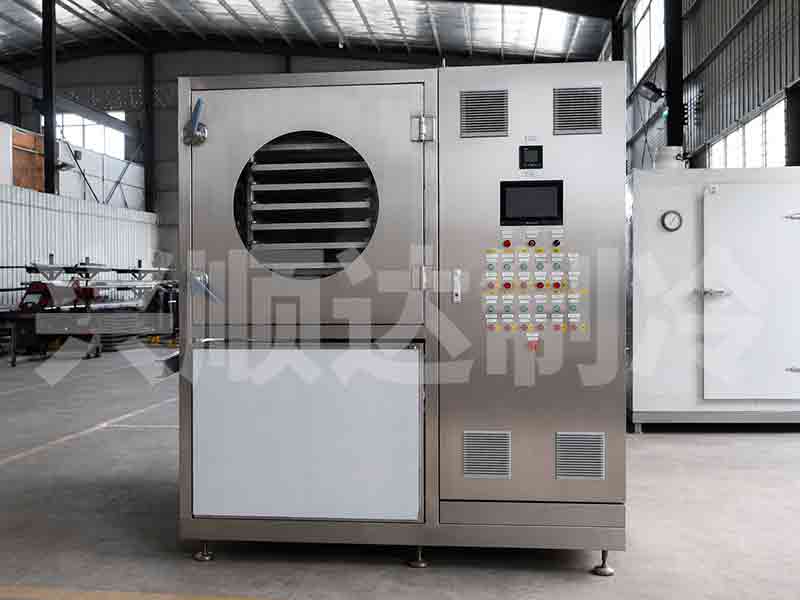
For SDG60 and SDG90 food product testing, process validation, and small trial production before commercial or industrial scale-up investment.
SDG90: 2300 × 2200 × 2500 mm
Compare pilot lab, commercial, and industrial freeze dryers by wet material capacity, model range, site space, power supply, energy type, drying time, and final moisture. Wet material means raw material before freeze-drying, not dried product weight.
For SDG60 and SDG90 food product testing, process validation, and small trial production before commercial or industrial scale-up investment.
For SDG350, SDG700, and SDG1100 commercial food production, batch sales, farm processing, pet food brands, and freeze-dried snack projects.
For SDG1600, SDG3000, and SDG6000 large food factories that need ton-level wet material capacity, steam-supported operation, and factory-level project planning.
Pilot lab, commercial, and industrial freeze dryers can process many of the same food products, including fruit, vegetables, meat, seafood, pet food, dairy, herbs, ready meals, soup blocks, and food ingredients. The key difference is not only the product type, but wet material capacity, site space, energy type, utility requirement, production goal, and operating cost. Pilot lab models process 60–120 kg per 24h, commercial models process 340 kg–1.36 tons per 24h, and industrial models process 1.2–8 tons per 24h. In the 1.2–1.36 tons overlap range, choose commercial when you need electric commercial batch production; choose industrial when you need steam-supported factory-scale production and larger installation planning.
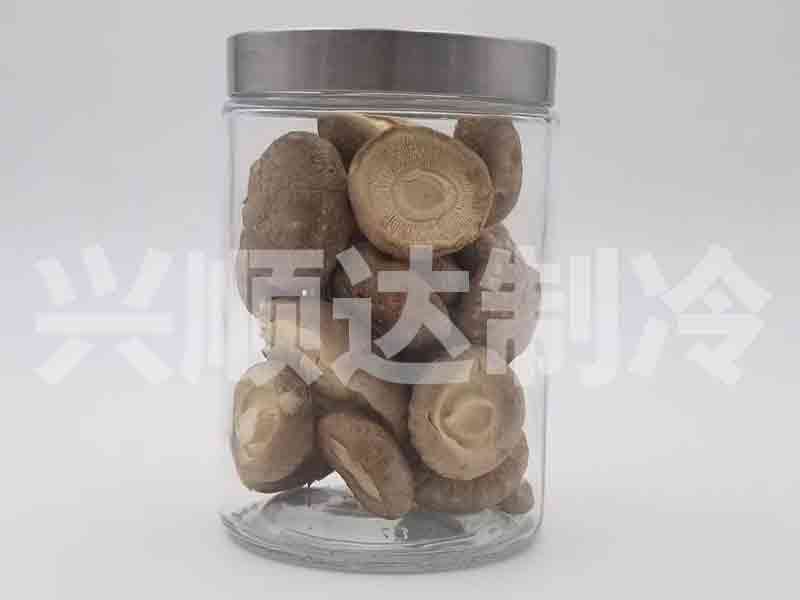
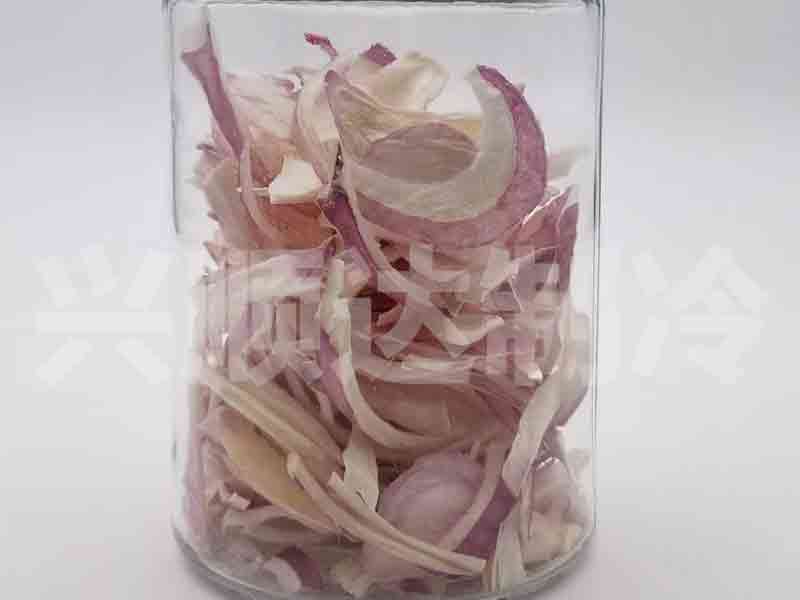
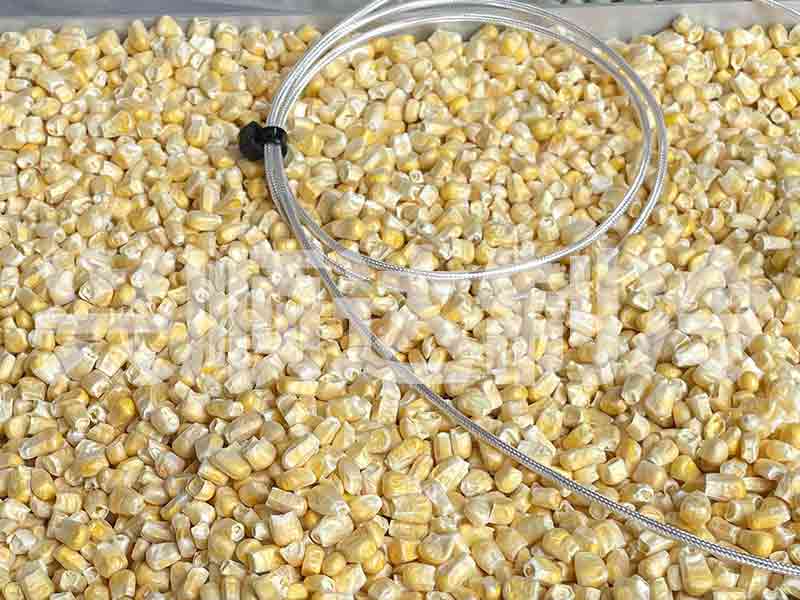
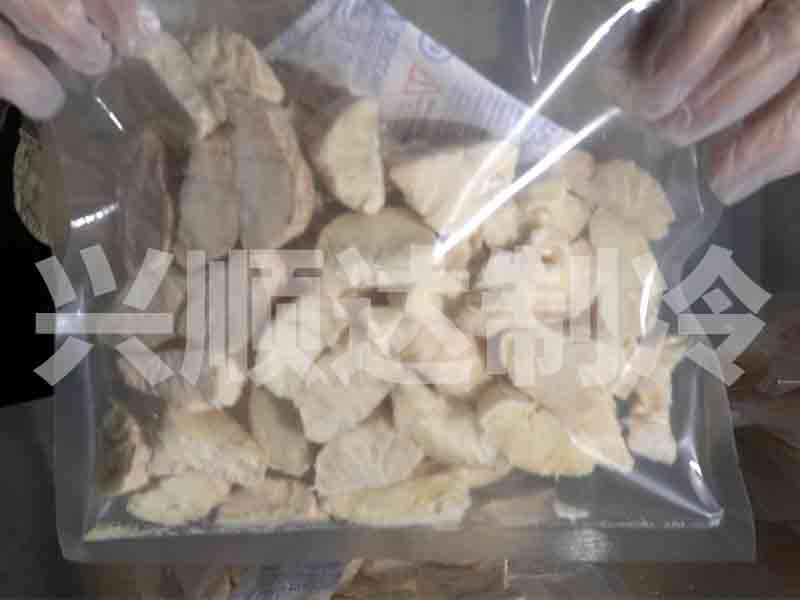
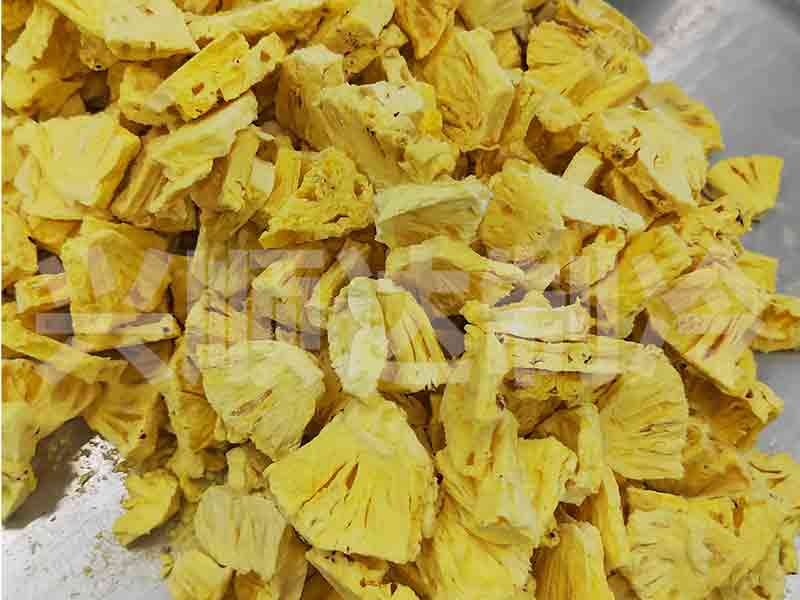
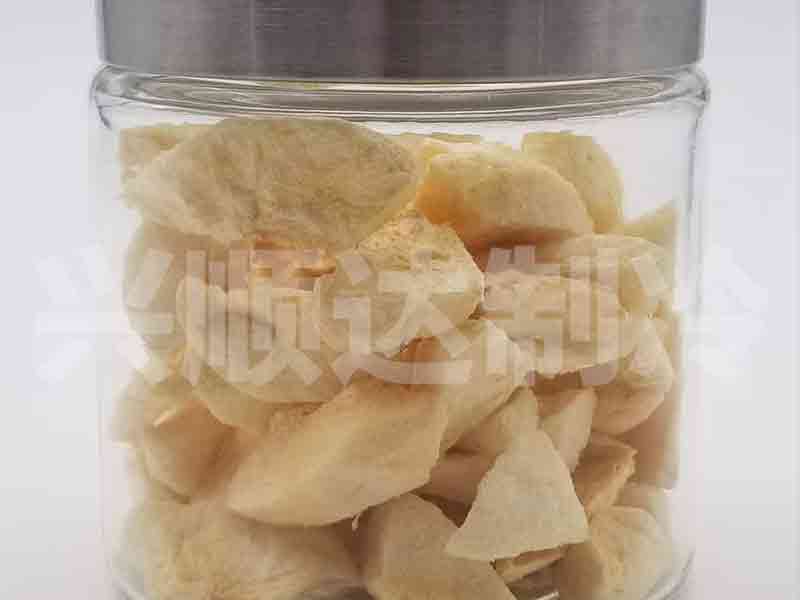
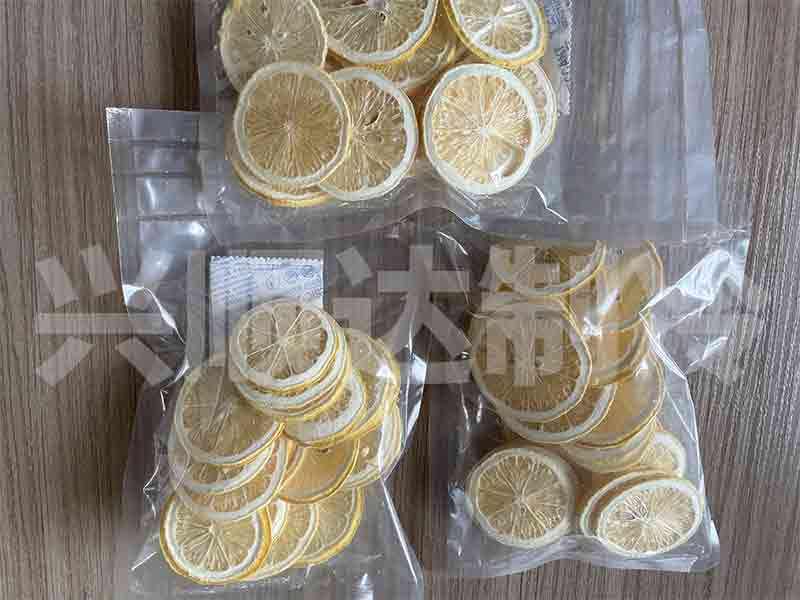
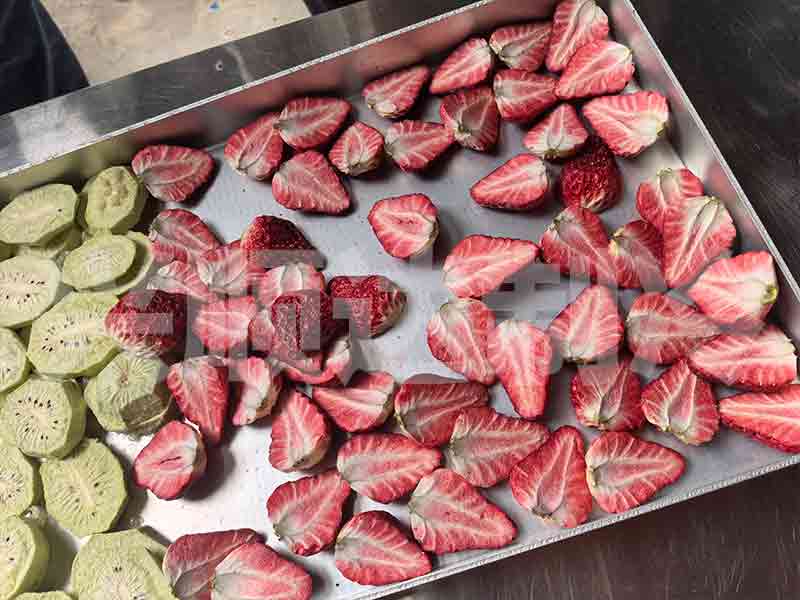
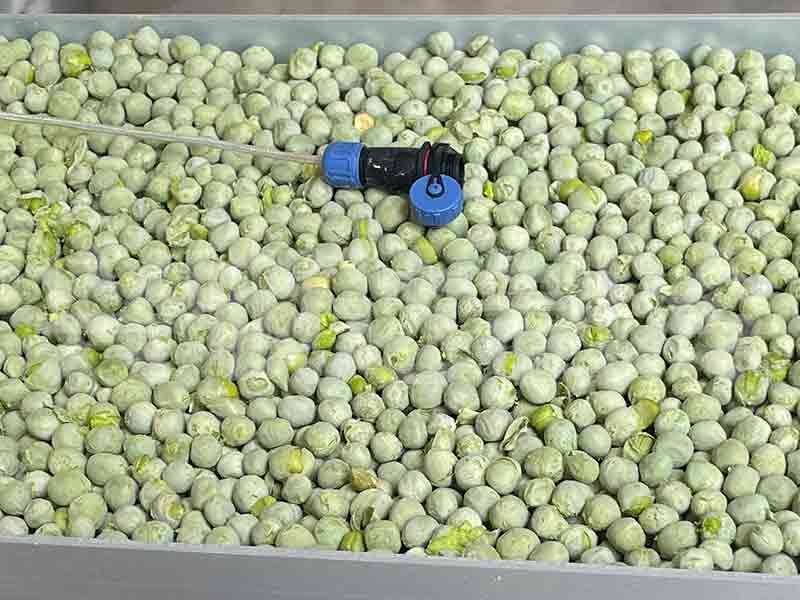
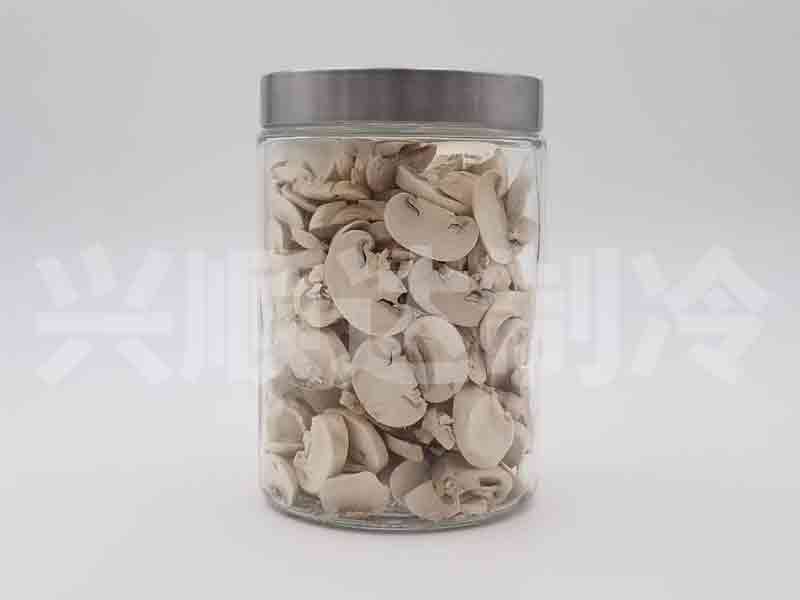
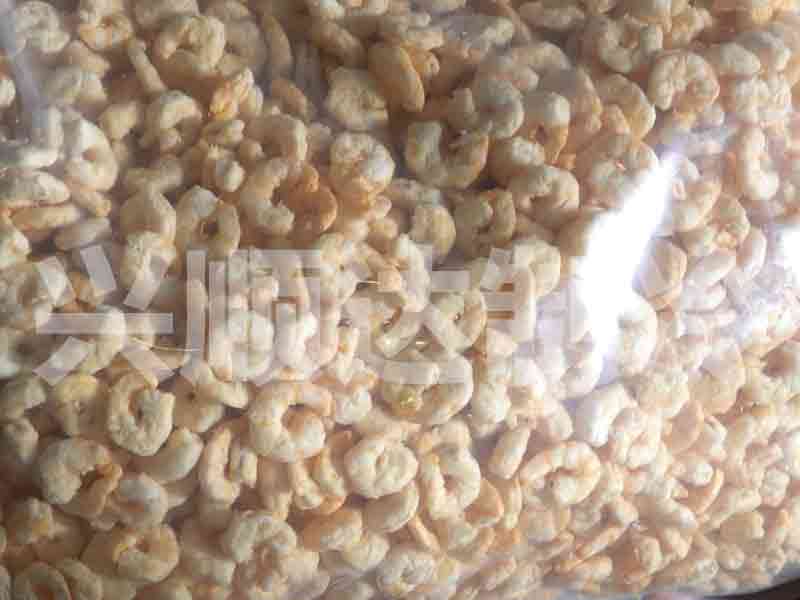
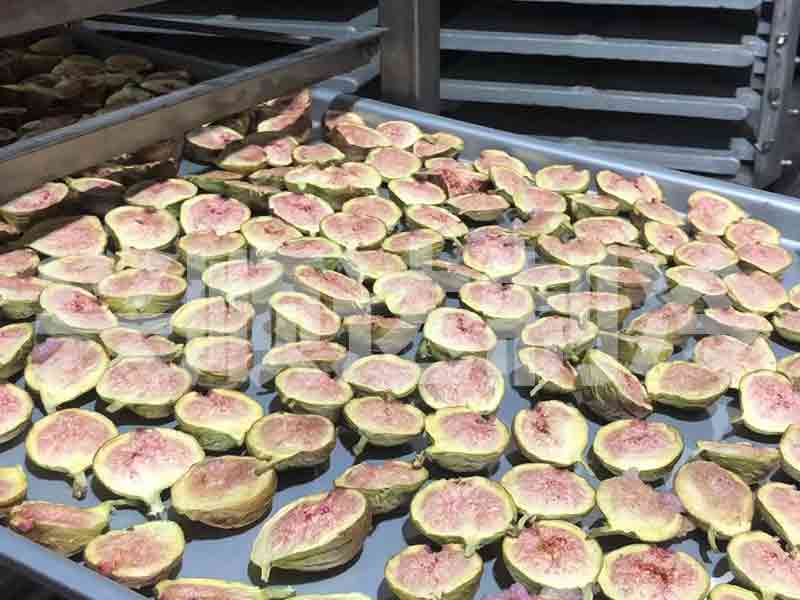
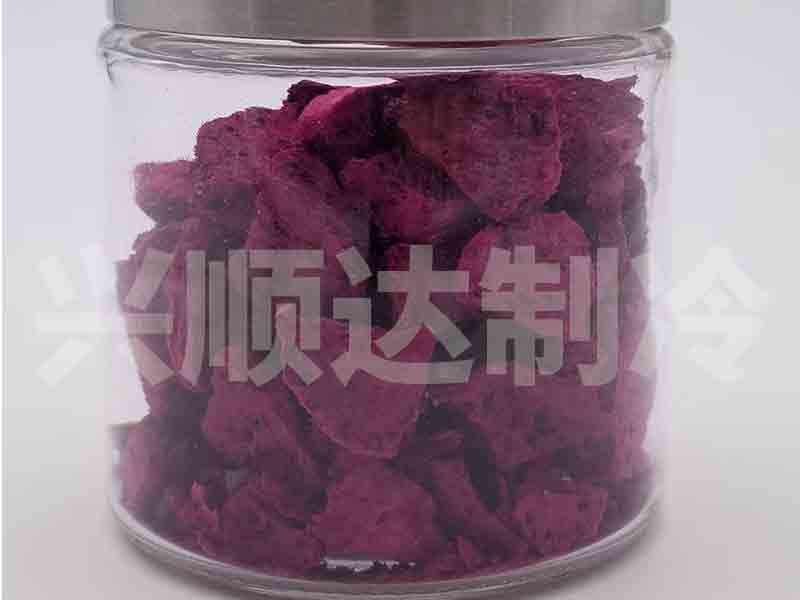
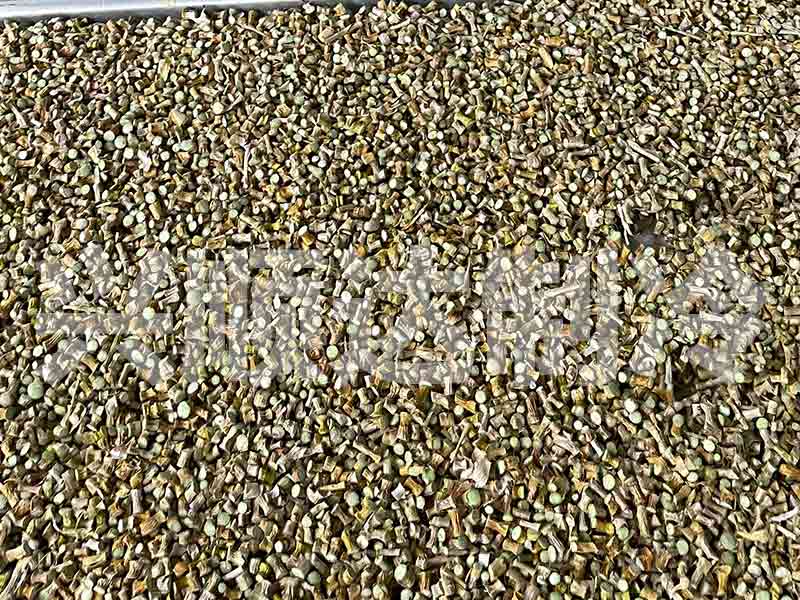
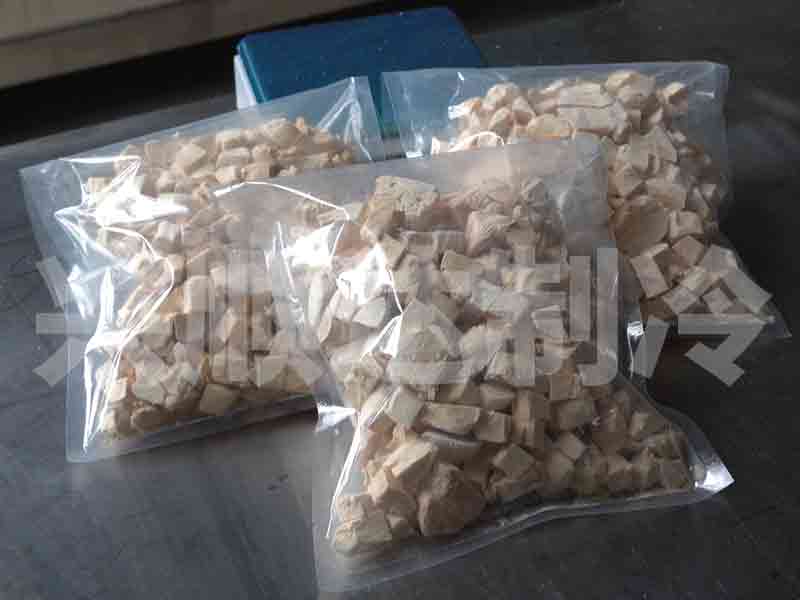
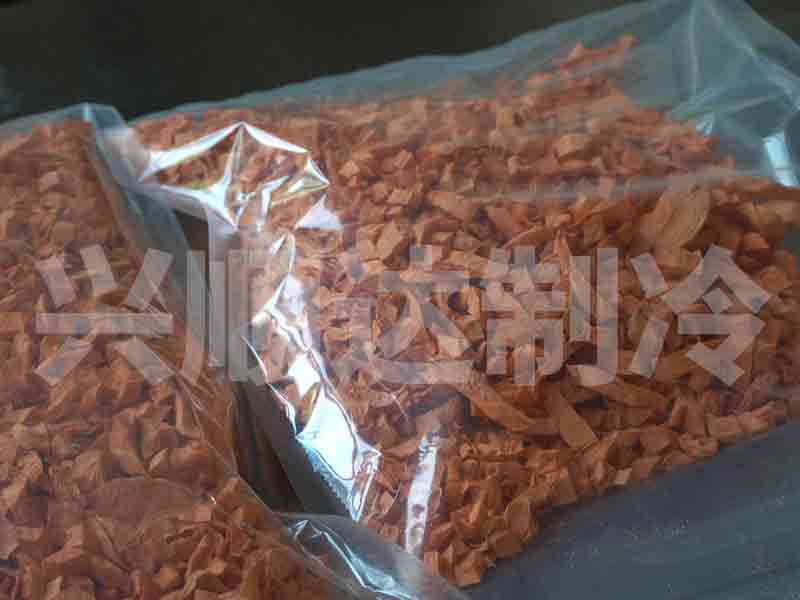
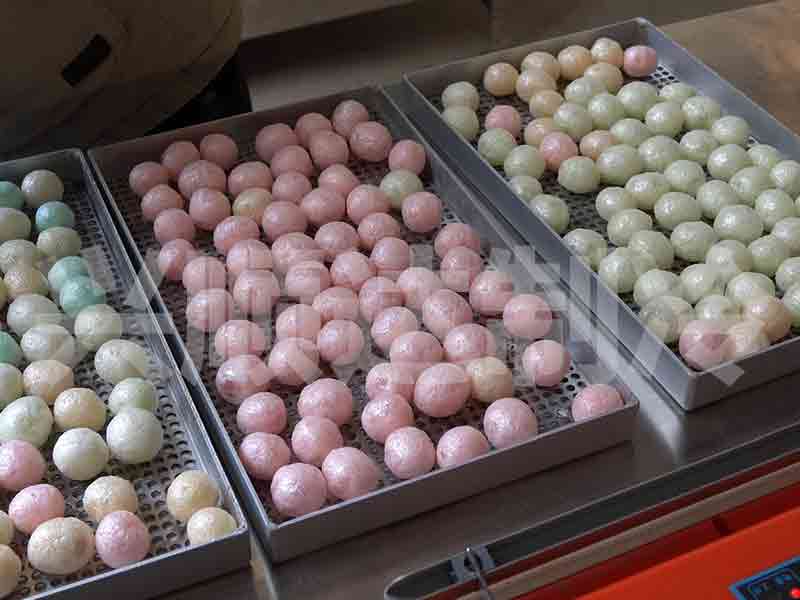
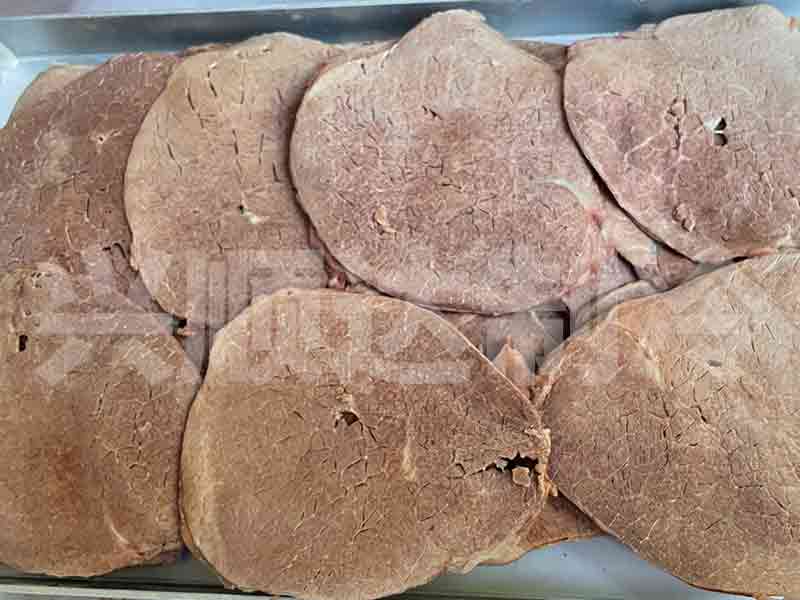
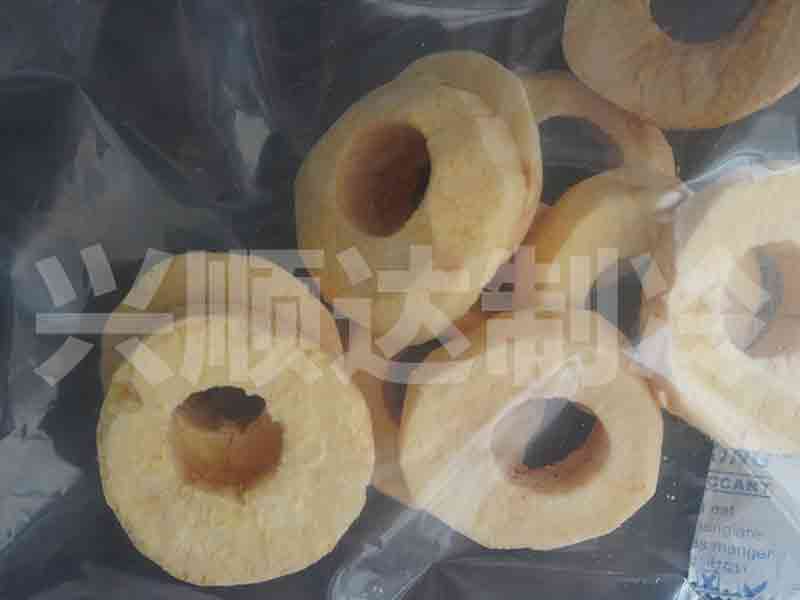
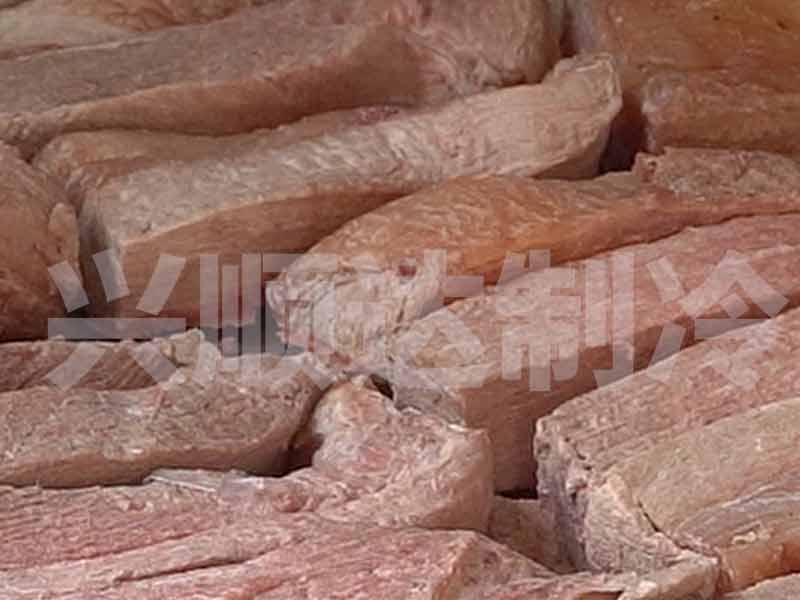
These real sample images show the application range. Final equipment selection still depends on product thickness, moisture content, batch size, utility conditions, and target daily wet material output.


A freeze dryer should not be selected only by appearance or tray area. For food production, buyers should confirm product performance, wet material load, site conditions, utility requirements, energy type, and long-term production plans.
Confirm whether the product can achieve the expected color, shape, texture, drying time, and final moisture before choosing a commercial or industrial machine size.
Estimate the right freeze dryer category according to wet material weight, water removal demand, production goal, daily output, and whether the project needs commercial electric operation or steam-supported industrial operation.
Review installation space, height, power supply, steam supply, water supply, drainage, workflow, and future expansion before confirming the final configuration.
Contact us to get freeze dryer quotation support, manual PDF, factory layout plan, utility requirement data, and freeze-dried food photos and videos.
These resources help buyers understand machine selection, operating cost, supplier evaluation, and project planning before choosing a freeze dryer.
Compare SDG60 and SDG90 for 60–120 kg / 24h product testing, pilot runs, and scale-up preparation.
View pilot modelsCompare SDG350, SDG700, and SDG1100 for 340 kg–1.36 tons / 24h commercial batch production.
View commercial modelsCompare SDG1600, SDG3000, and SDG6000 for 1.2–8 tons / 24h steam-supported factory-scale production.
View industrial modelsEstimate electricity, steam, drying time, water removal, and operating cost.
Read cost guideThese short answers help buyers choose the correct product category before reading detailed product pages.
No. Wet material capacity means fresh raw material before freeze-drying. It is not the final dried product weight. Final dried weight depends on the moisture content of the raw material.
The main difference is wet material capacity, production goal, utility requirement, energy type, and project scale. Pilot lab freeze dryers process 60–120 kg wet material per 24 hours. Commercial freeze dryers process 340 kg to 1.36 tons per 24 hours. Industrial freeze dryers process 1.2 to 8 tons per 24 hours and require steam-supported factory-level planning.
For many food products, pilot lab, commercial, and industrial freeze dryers can usually complete drying in 8–15 hours, with final moisture less than 3%. The actual result depends on product type, moisture content, thickness, loading density, utility condition, and process settings.
Commercial models cover 340 kg–1.36 tons per 24 hours, while industrial models start from 1.2 tons per 24 hours. In the 1.2–1.36 tons overlap range, choose commercial when the project is still commercial batch production. Choose industrial when the project needs steam-supported operation, larger site planning, multi-container delivery, and factory-scale production management.
For pilot lab machines, buyers should check machine size, access, and 3P power supply. For commercial systems, buyers should check 20–100 m² site space and height above 3.5 m. For industrial systems, buyers should check 80–250 m² site space, height above 5 m, steam supply, power distribution, drainage, installation access, and maintenance space.